
Celebrating volunteers - the heart of community sport
We’re proud to showcase some of our recent grant recipients and celebrate the role that volunteers play at the heart of community sport.
These organisations support, invest in, and value their volunteers, showing that when they are equipped with the right tools, training and opportunities, the benefits reach far beyond the club.
Embracing change through digital confidence – Bowls Victoria
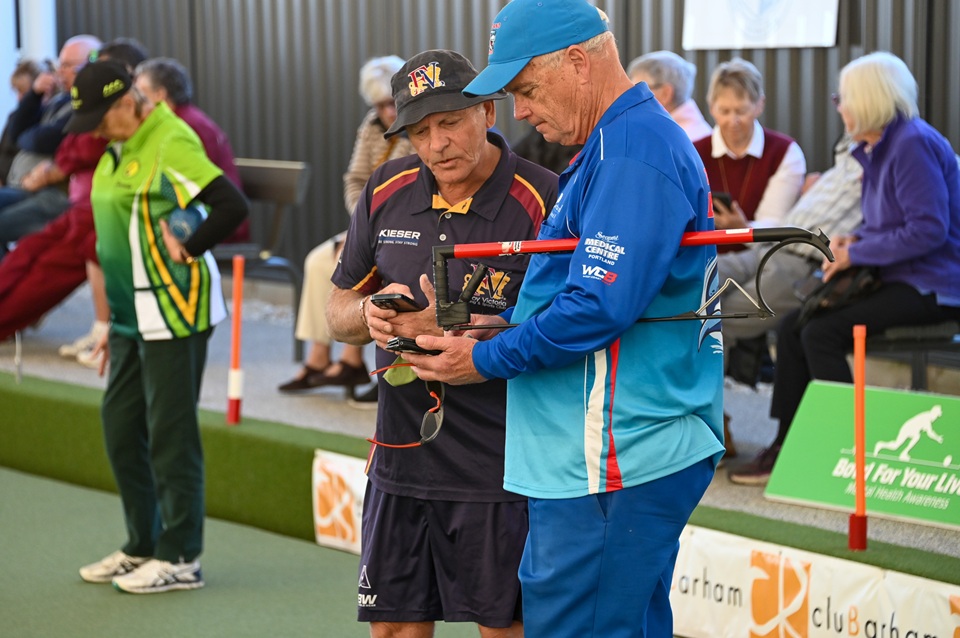
At Bowls Victoria, volunteers are using new technology to make the game easier to follow and more enjoyable for everyone.
With the support of our Together More Active program, digital scoring has replaced traditional pen-and-paper systems, making scoring faster, more accurate and easier for volunteers.
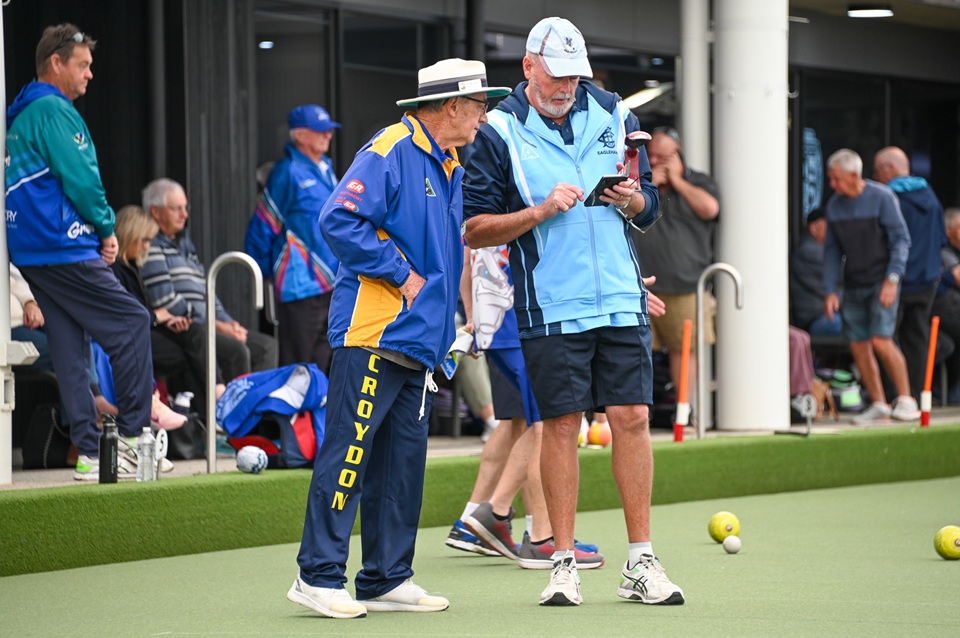
For many older volunteers and participants, switching to a digital system was a big change.
But with training and hands-on support from Bowls Victoria, volunteers have built their confidence and become more tech savvy. That’s helped events run more smoothly and improved the experience for players.
Live digital scoring has now been used in more than 2,000 matches with recent feedback showing volunteers are feeling more confident with the new technology.
It’s also been used successfully at major state events including the Victorian Open and State Championships, Women’s Country Carnival, Novice State Carnival and Over 60s State Carnival.
Geoff Rietschel, General Manager of Bowls Operations, noted that, 'participants aged over 60 increased their familiarity and competence in using digital bowls solutions – particularly live scoring – and reported greater overall confidence with technology.'
By giving volunteers the support they need, Bowls Victoria has brought the game into the modern era, helping people build confidence and skills they can use beyond the bowling green.
To find out more visit Bowls Link
Building regional capability – Gippsland League
Across Gippsland, local football depends on volunteers. One of the most important jobs is umpiring — but it is also one of the hardest roles to fill.
To help with this, the Gippsland League ran a Football Umpire Development Program. The Program was designed to upskill and support volunteer umpires across local clubs.
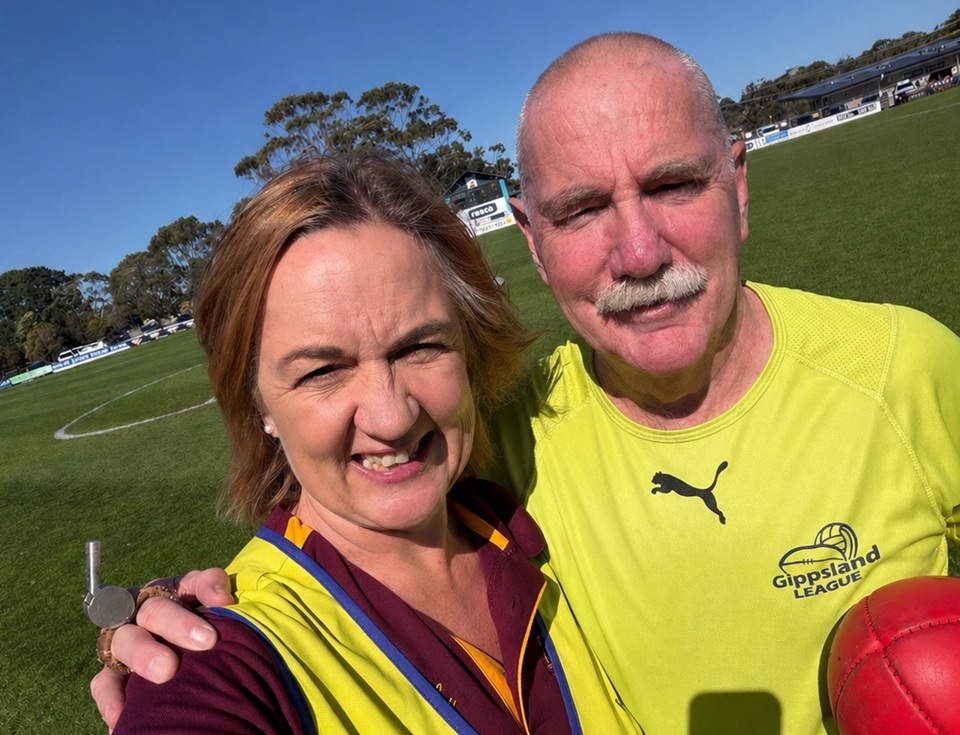
With support from our Sporting Club Grants Program, community members were able to take part in structured training and receive mentoring to help grow their confidence to umpire matches.
Training sessions were held in Sale, Moe and Leongatha, along with an online webinar. This made it easier for people across Gippsland to join in, without needing to travel long distances or pay extra costs.
Their program was led by former AFL umpire Peter Carey, who provided strong leadership and expertise.
As a result, up to 30 umpires were supported for the season, helping fill key gaps and easing pressure on clubs during match days.
This initiative has strengthened the confidence and capability of our volunteer umpires, supporting our clubs and improving the overall game‑day experience for players, coaches and spectators.
Daniel Heathcote, General Manager, Gippsland League
Importantly, the Program has created a clear pathway for more people to stay involved in local sport, helping to build a safer, more inclusive and better‑supported football community across Gippsland.
For the latest visit the Gippsland League.
Connecting people and purpose – Sport North East
Easing the workload of volunteers is critical to maintaining strong, healthy, and connected communities.
Supported by our Sustainable Volunteer Workforce Program, Sport North East’s Volunteer Matching Scheme is helping to tackle this by creating new, supported pathways into volunteering.
The scheme supports people who want to be a part of their local community by connecting them to sport and recreation clubs.
This includes people looking to build job-ready skills, grow their confidence, or make social connections.
By matching each person’s skills, interests and availability with what clubs need, the scheme gives both volunteers and clubs a better chance to succeed.
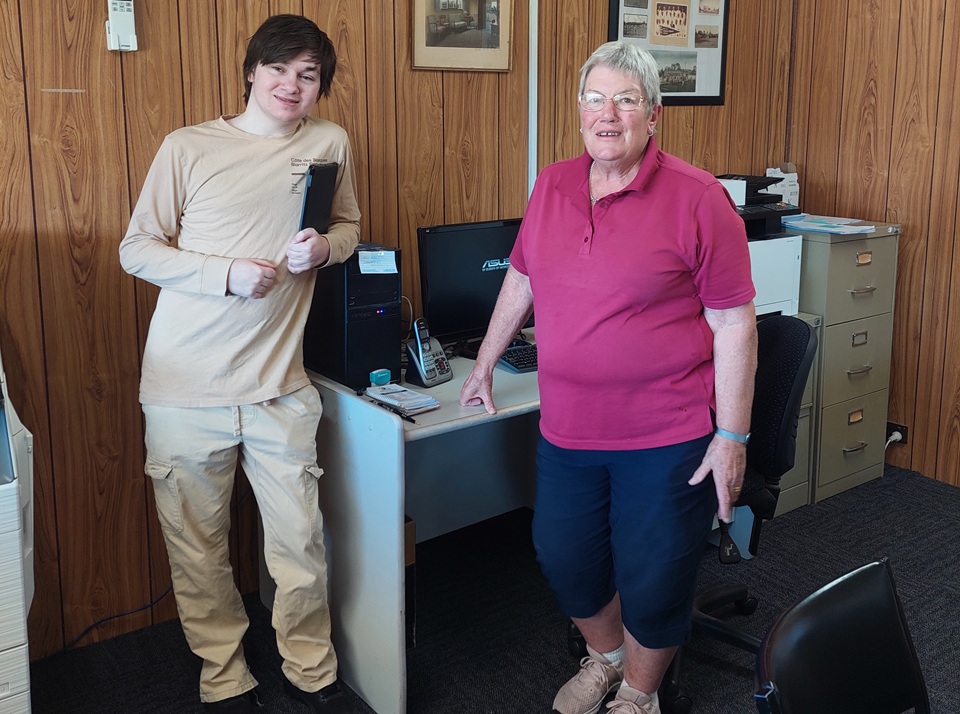
One of these placements is Jayrud at the Wangaratta Bowls Club. Volunteering two days a week, he has helped upgrade the club’s IT systems, significantly easing pressure on club officials – with one staff member Sue saying, 'He has saved my life – in a nutshell.'
For Jayrud, the experience has built confidence, skills and a strong sense of connection. 'I am stoked. I feel as though I am contributing, and my self‑worth has grown,' he said. The placement has also strengthened his IT skills and future employment prospects.
So far, Sport North East has successfully placed over 25 people across over 15 local clubs throughout North East Victoria.
These roles cover a wide range of sports and activities, including at Wangaratta Netball Association, Wodonga Tennis Centre and Wodonga Bulldogs All Abilities Football Netball Club. This shows the broad value of volunteer support across the region.
Whether its help with recruitment or ongoing guidance, the scheme gives volunteers and clubs the support they need.
It shows that good volunteering does not just happen on its own – it works best when people feel supported, prepared and valued from day one.
To find out more about the Sport Volunteer Matching Program.
Creating inclusive experiences – Riding for the Disabled
Volunteers are a big part of Riding for the Disabled Association of Victoria (RDAV). They help provide important and positive experiences for children and young people with disability across Victoria. But as more people need support, it can be hard for volunteer-run centres to manage everything.
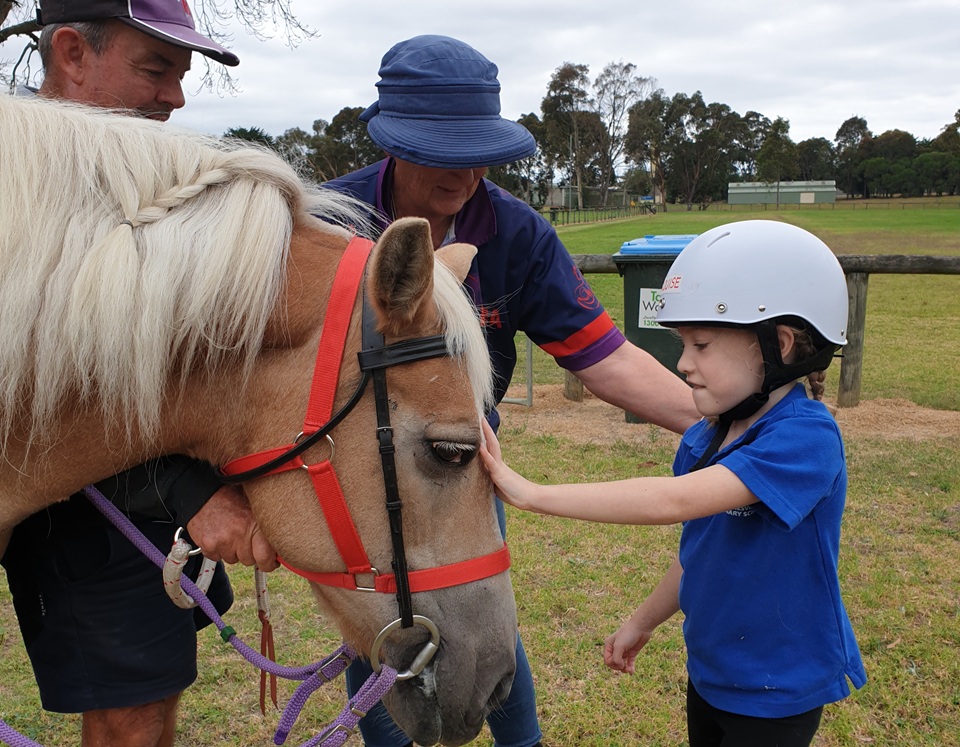
Through support of the Regional All Abilities Participation Grants, RDAV’s Regional Inclusion Workforce Project is helping make things easier.
A regional centre coordinator will work with RDA centres in Seymour and Ballarat to help with everyday tasks like organising sessions, managing enrolments and waitlists, and keeping in touch with families.
The coordinator also supports volunteers to feel more confident and prepared by helping with child safety, risk management, and short, hands‑on training sessions with the state coach. This support helps programs run more safely and smoothly.
As a result, volunteers can spend more time where it matters most — supporting riders.
James Lantry, CEO, said, 'By improving how centres operate and making access easier, this project will help each centre run 2 to 3 extra sessions each week. It is also expected to increase participant places by 60 to 80% within 12 months and reduce the time between a family’s first enquiry and a rider’s first session.'
By reducing paperwork and giving more support at centres, the project is helping RDA keep volunteers for longer and making centres more sustainable. It is also creating more opportunities for children and young people with disability to take part in activities in their local community.
For the latest on Riding for the Disabled Association of Victoria.
Sport and Recreation Victoria is a proud supporter of initiatives that invest in volunteers – not just for today, but to ensure community sport remains strong, sustainable and welcoming for generations to come.